
Resilient Commoning in the North York Moors: A Positive Step Forward for Collaboration
The Resilient Commoning in the North York Moors project has completed its second phase with an overwhelmingly positive impact, strengthening relationships, building confidence among graziers and creating new opportunities for collaboration across the National Park. Supported through the Farming in Protected Landscapes (FiPL) programme and delivered by the Foundation for Common Land, the project has helped shape a more connected, informed and resilient future for commoning.
One of the most encouraging achievements has been the establishment of the North York Moors Graziers Group (NYMGG). What began as a small cluster of meetings has grown into a vibrant, farmer‑led network spanning nine commons. Graziers have welcomed the chance to come together, share experiences and build a stronger collective voice. As one participant reflected, “Before this project we didn’t really have a way of coming together. Now we’ve got a group where people can talk openly about the issues we’re facing.” The group now has a constitution, a committee along with a clear sense of purpose and a strong foundation for long‑term collaboration.
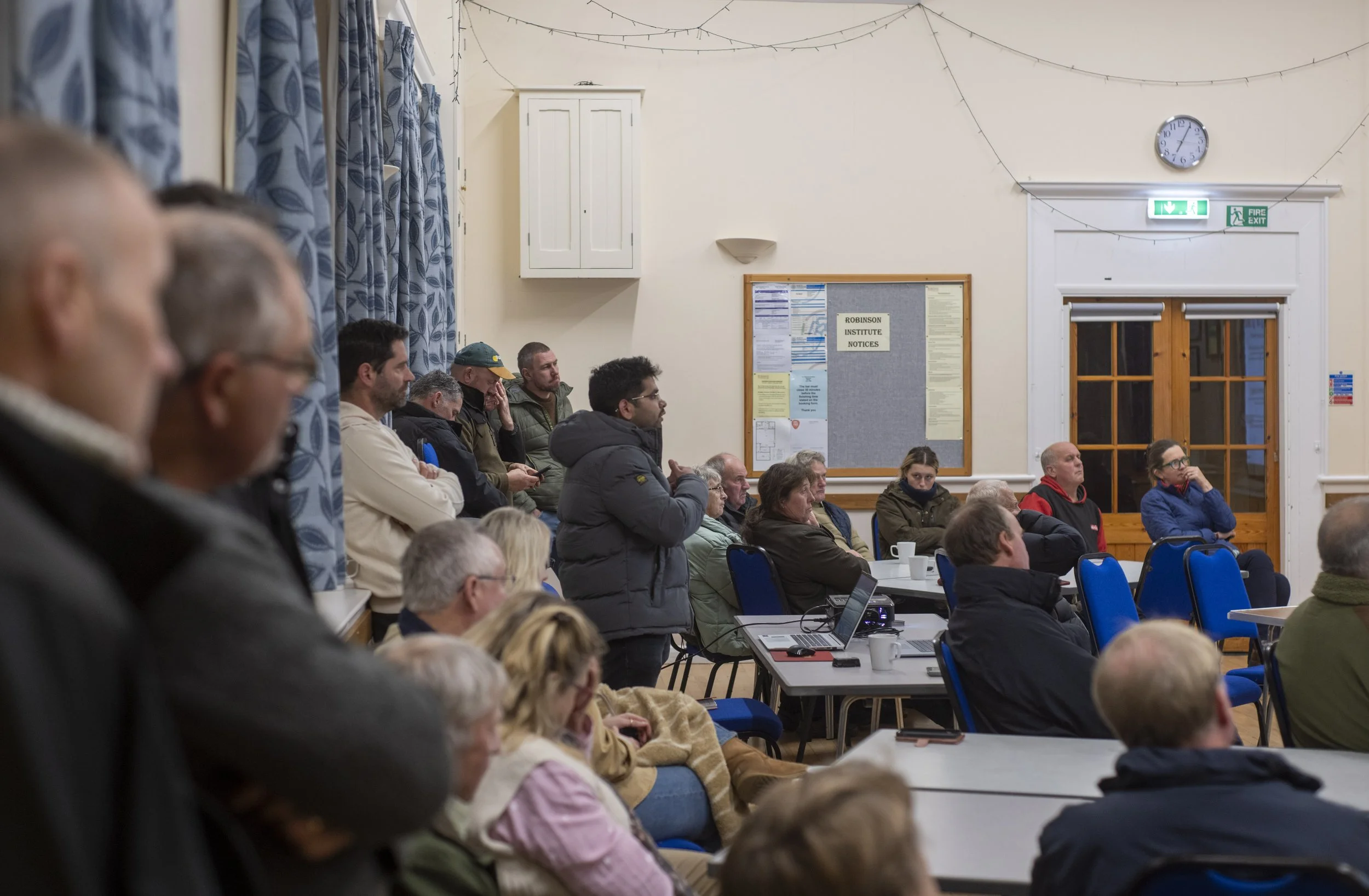
Glaisdale Meeting October 2025. Photo by Jo Coates
Engagement throughout the project has been strong, with more than 120 people attending meetings and events, and over 200 others were involved through school visits, rambler walks, webinars and public engagement activities. These interactions have helped build trust, spark new ideas and strengthen connections between graziers, researchers, policy specialists and local businesses. The atmosphere at events has consistently been open, constructive and forward‑looking.
The sheep tracking trial has also been a highlight, demonstrating the potential of practical innovation to support upland farming. Working with two graziers, the project deployed over 130 GPS trackers across both sites, generating valuable insights into how sheep move across the moor. Farmers reported that the technology helped them locate sheep more quickly and understand grazing patterns in new ways. One grazier summed it up simply: “It’s been fascinating seeing where the sheep actually go.” The trial has sparked interest from across the National Park and opened the door to future research and technological development.
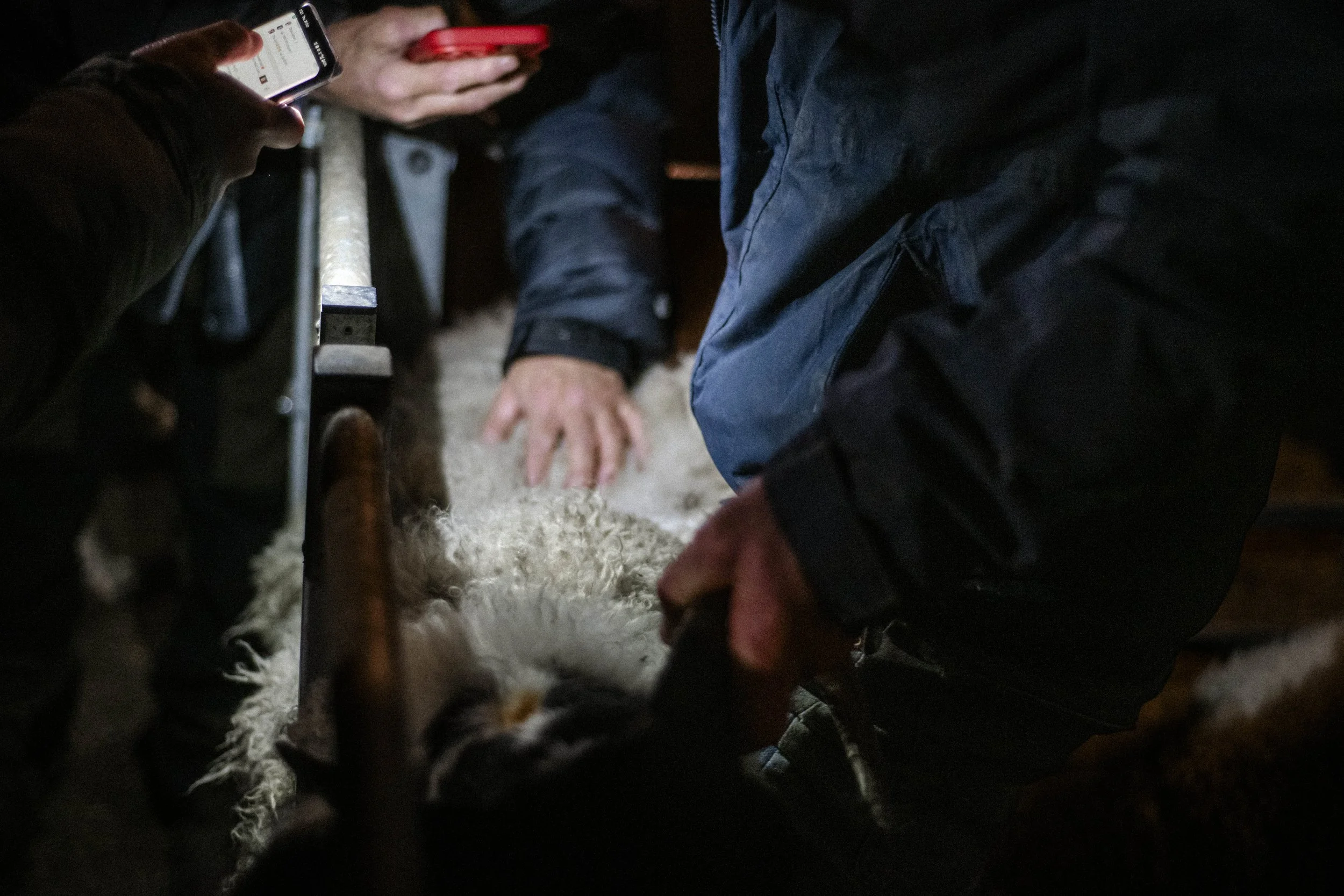
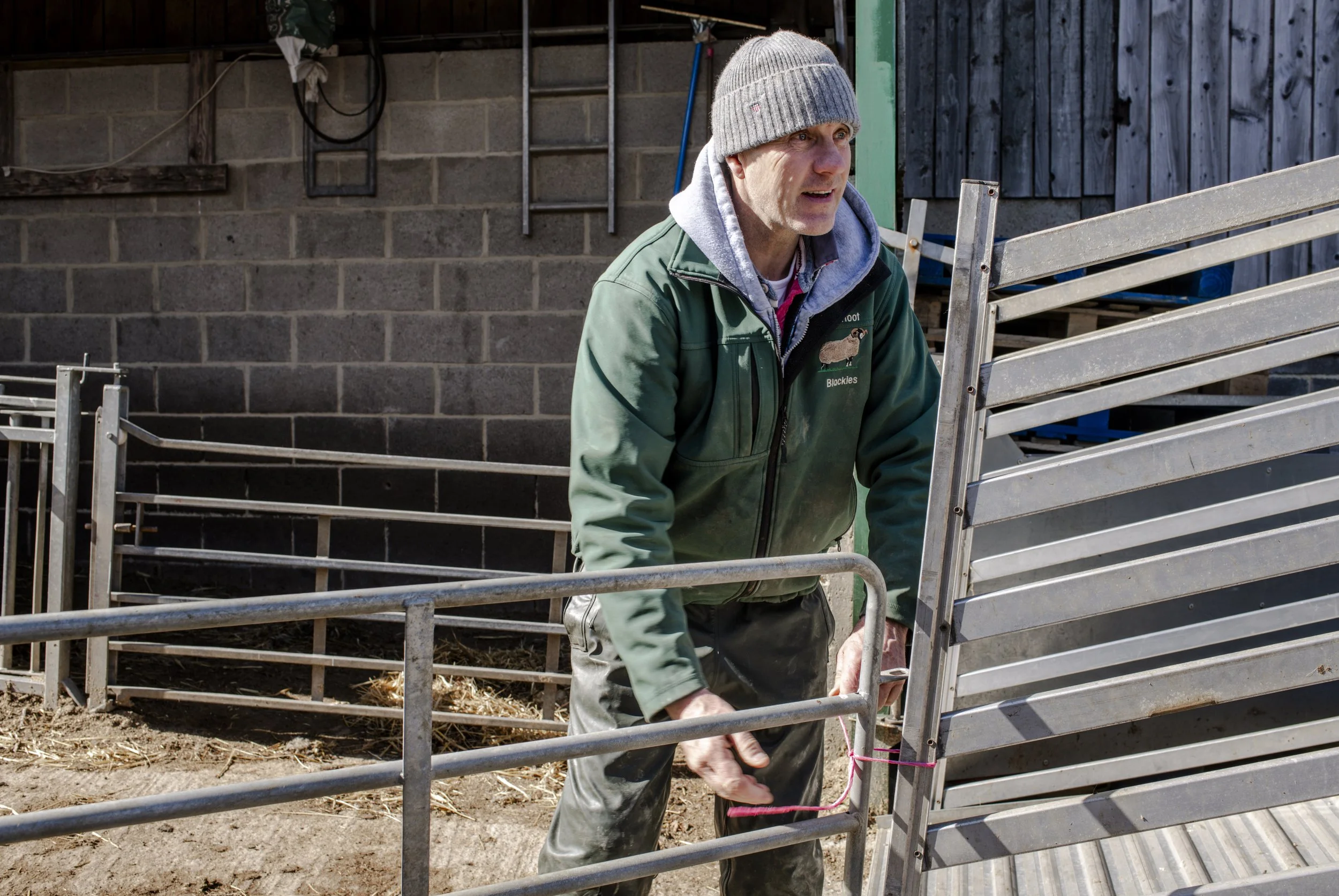
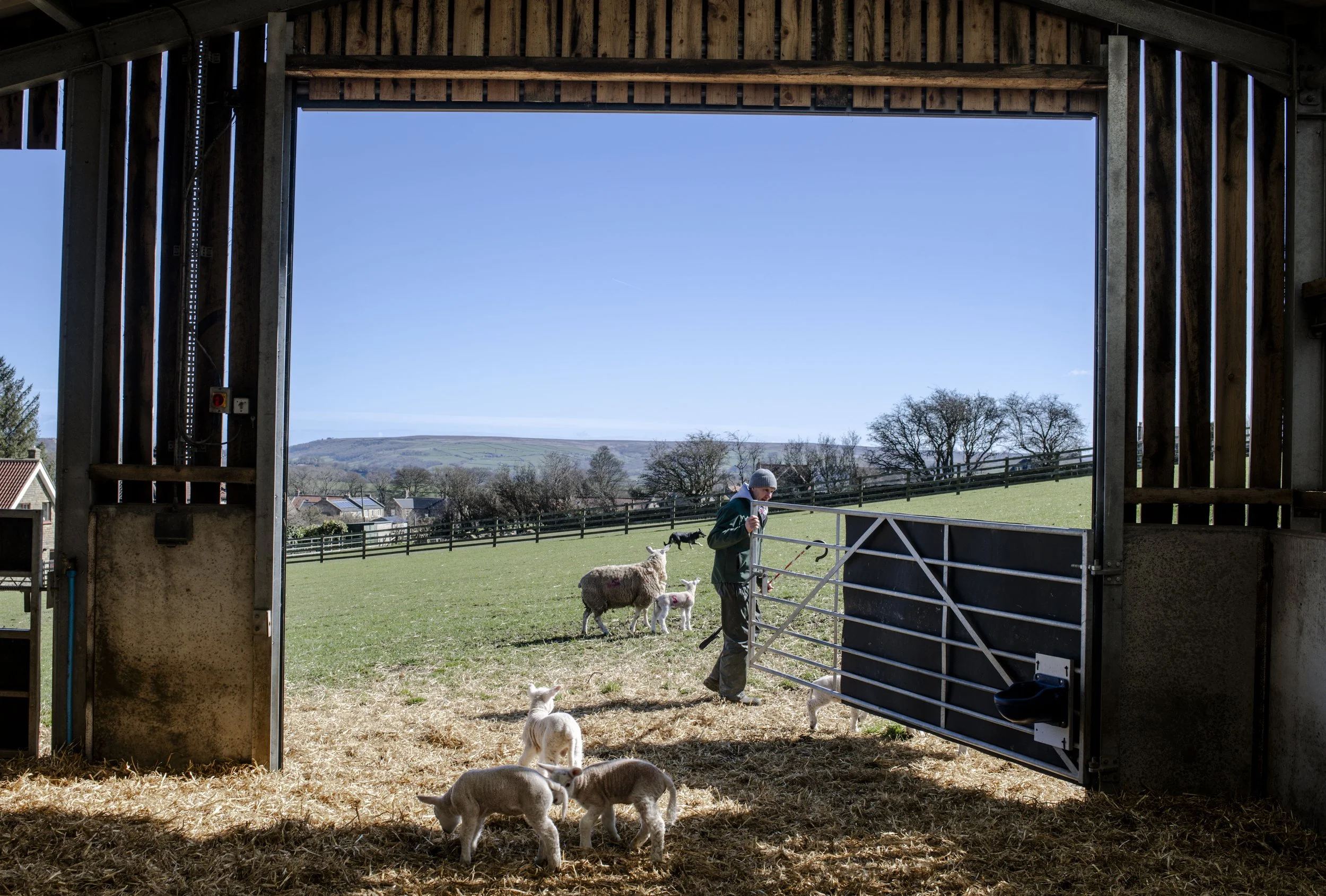
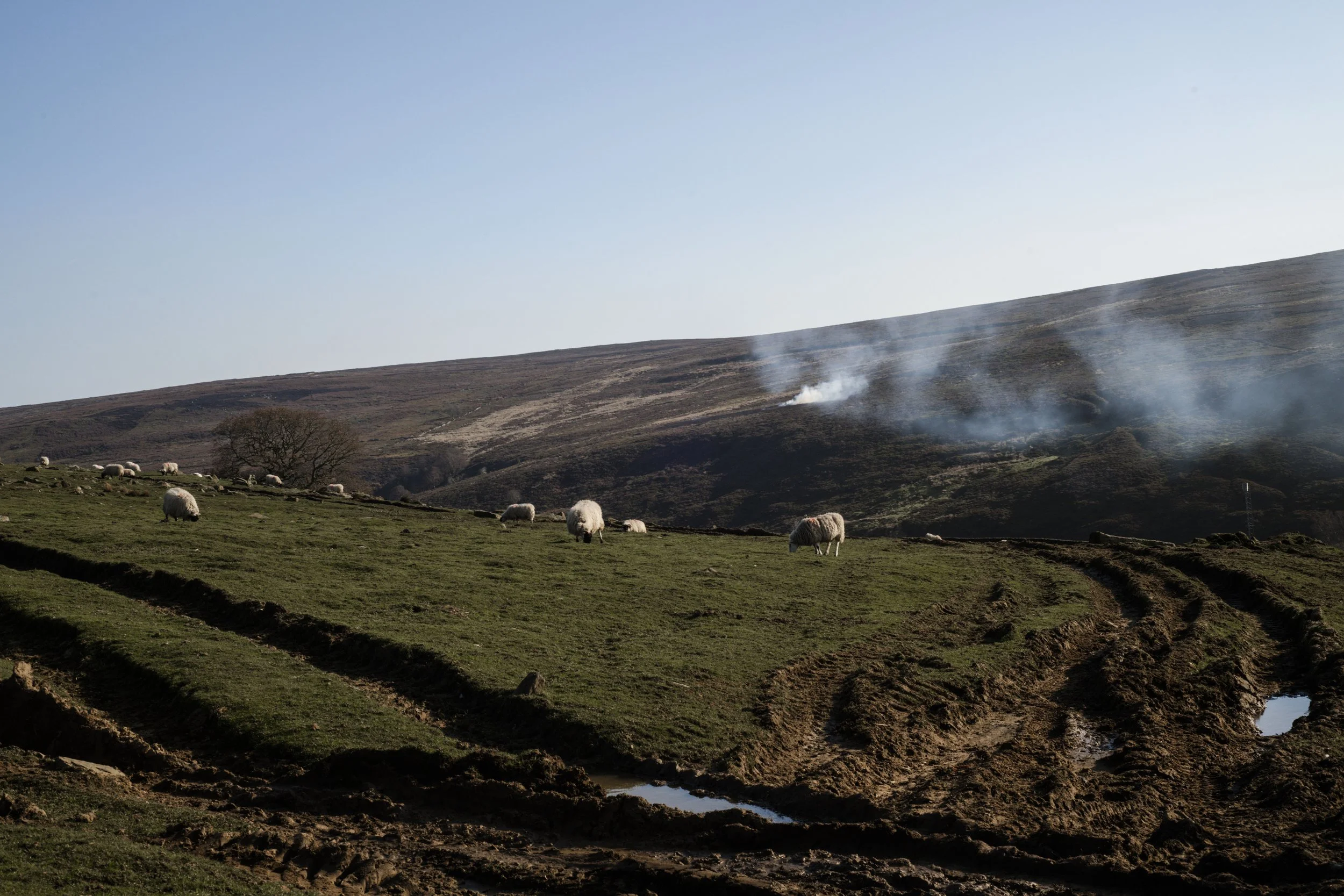
Communications and public engagement have added another positive dimension. A photography commission has captured authentic images of commoning life, helping to tell a richer, more accurate story about the role of graziers in shaping the landscape. Partnerships with the University of Teesside and outreach with schools and community groups have helped build wider appreciation for the work happening on the moors.
Taken together, these achievements paint a very encouraging picture. Collaboration is stronger. Knowledge is deeper. Public understanding is growing. And the foundations for future work are firmly in place.
Looking ahead, the focus will be on securing long‑term support for the Graziers Group, exploring wider use of technology and continuing to build relationships across the National Park. The momentum is real and the future for commoning in the North York Moors looks bright.
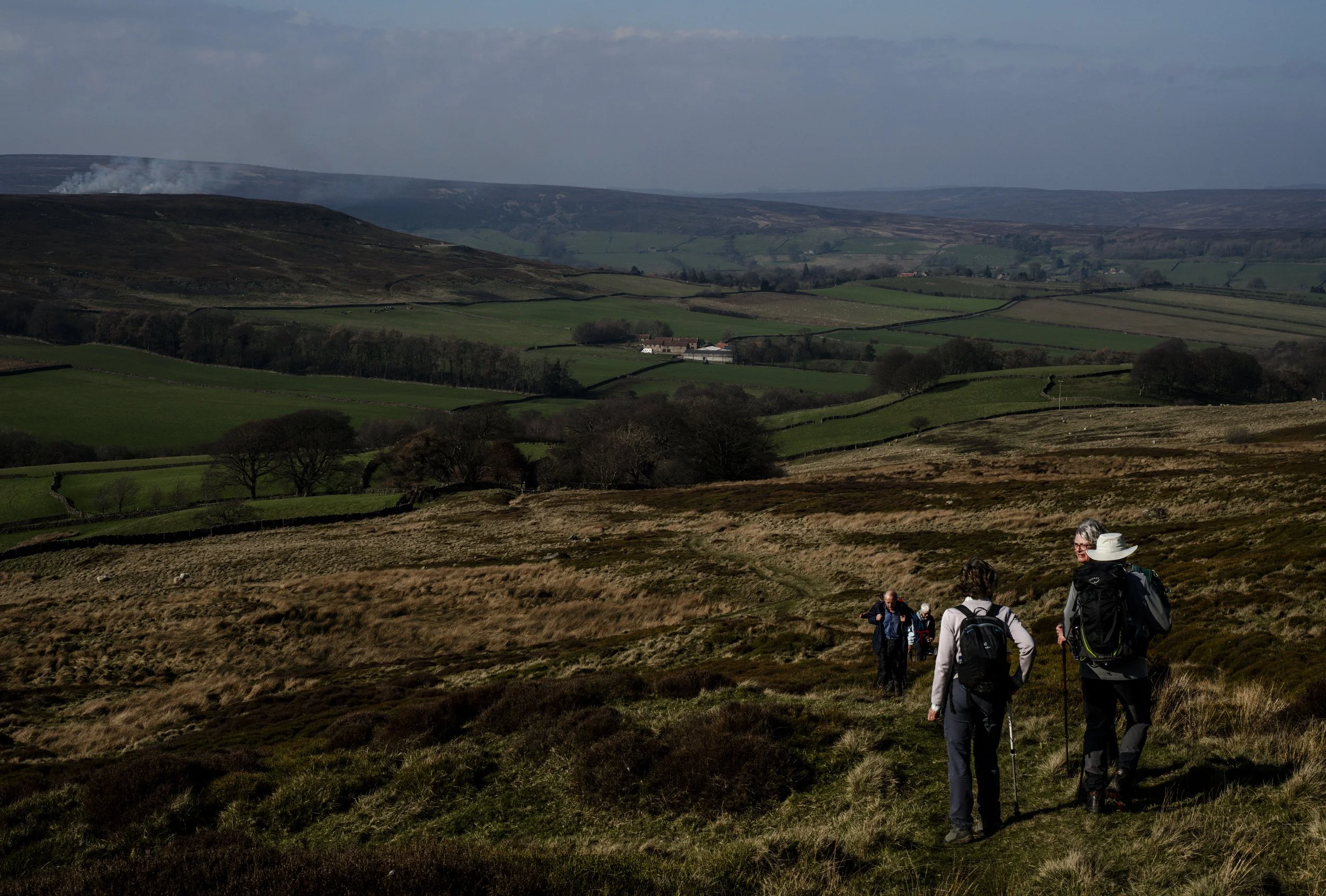
Ramblers - Photo by Jo Coates