
Malvern Hills Bill
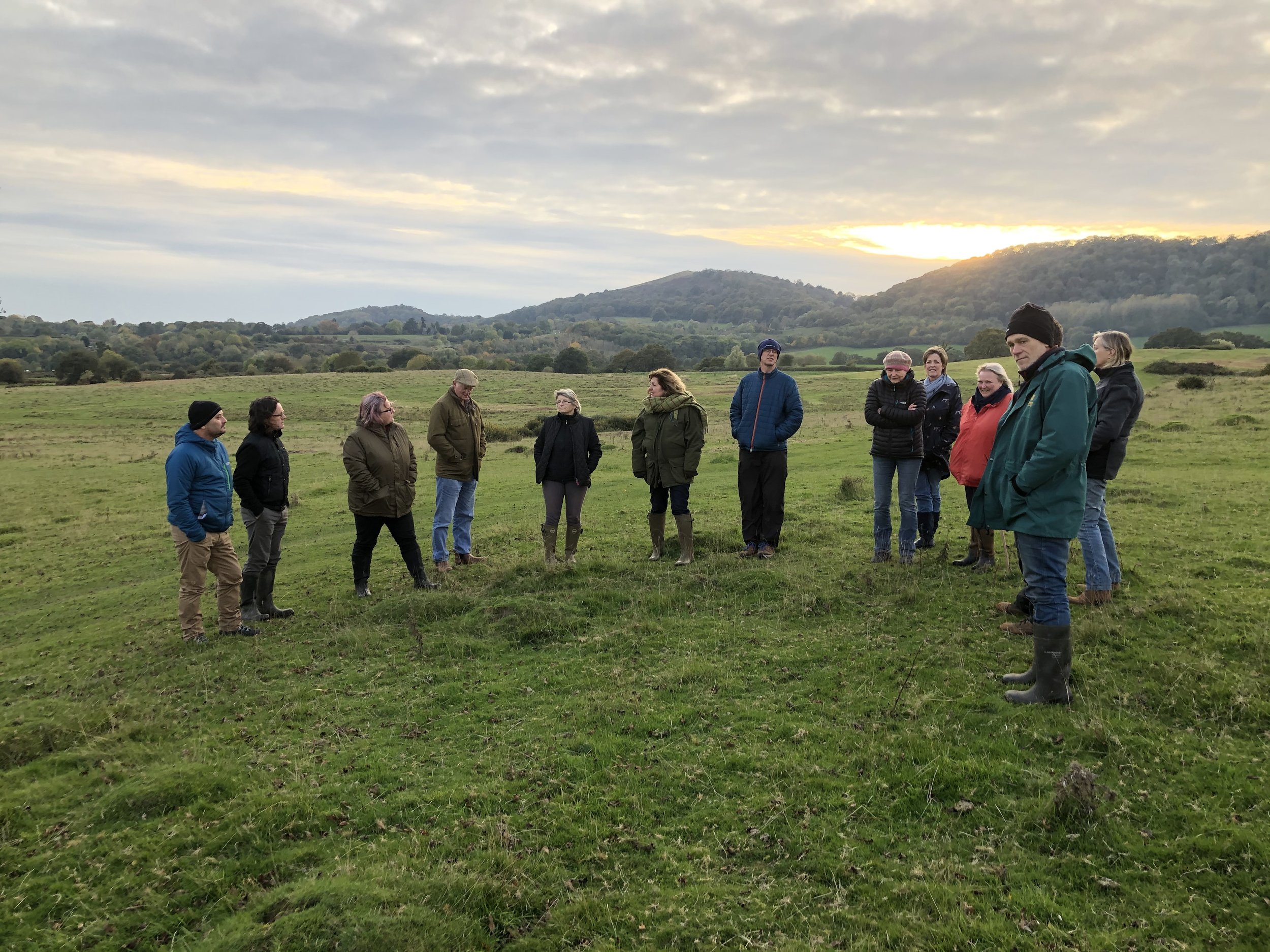
Collaborative Management of the Malvern Hills Commons
The Malvern Hills Bill is currently being considered by the House of Lords before going to the House of Commons.
The Malvern Hills is an iconic area of common land and its history and landscape has been shaped by the management of this land by commoners and their livestock. 90% of the land under the management of the proposed Malvern Hills Trust is registered common land.
The Foundation for Common Land has undertaken a range of activities in the Malvern Hills area and from 2020 to 2022 we led a Defra funded Environmental Land Management Test and Trial looking at the potential for landscape recovery schemes in Lowland Commons. We had a member of staff allocated to the Malvern Hills for this period with a particular focus on Castlemorton Common
We are delighted that The Malvern Hills Bill is being considered by Parliament to enhance and simplify the management of the Malvern Hills. A consolidation of the several Acts of Parliament is essential for more effective management. We also welcome greater clarity over governance with the Bill’s proposal that the trustees of the new Malvern Hills Trust will also be the charity trustees. They will have responsibility for implementing the duties set out in the Bill avoiding current risks and confusion from the two separate organisations of the Conservators and Charity Trustees.
We are conscious that a number of issues have been raised by a range of parties with regard to the provisions in the Bill and would like to comment as follows:
1. Commoning and active grazing has sadly reduced considerably over the last 40 years. We commend all efforts to retain active sustainable grazing of the Malvern Hills including further direct involvement of commoners in land management noting 90% of the land managed by the Malvern Hills Trust is registered common land.
We therefore support the following provisions:
a) The ability for the Malvern Hills Trust to install cattle grids. Cattle grids are essential for stock management, for the delivery of favourable outcomes for nature including SSSIs and for the safety of pedestrians and vehicle users. With more extreme weather conditions graziers are finding that stock are straying further and this enhances the risk of accidents and loss of valuable livestock. Without the ability to install cattle grids it is likely active commoning will decrease even further and environmental outcomes will be impossible to achieve.
b) We support the extension of temporary electric fencing for up to 60 days to allow practical management of sites. We support the continued public access to all temporarily fenced areas and the public should only be excluded for very specific reasons. We would like a firmer presumption in favour of access to these areas. We do not think there should be a limit on the area being fenced.
2. We note that a licence may be required for organised activity. We think care is required about how this works and would suggest that groups that do not charge such as youth clubs, Guides, Scouts, WI etc. should be exempt from a licence if there are no more than 30 in the group. These groups are run by volunteers and access to open spaces is critical for wellbeing. Instead they could be asked to inform the Malvern Hills Trust about the activity.
3. The Malvern Hills Trust enters into environmental land management agreements with the Defra Group. We would like an assurance in the Bill that that the Malvern Hills Trust will ensure best practice of governance of these schemes is instituted to avoid conflict over management and funds between the commoners, graziers, the Malvern Hills Trust and Natural England.
4. We support the reduction in the number of Trustees to 12 persons. We would though ask that an additional matter is added to Clause 14(6) being (d) common land and commoning.
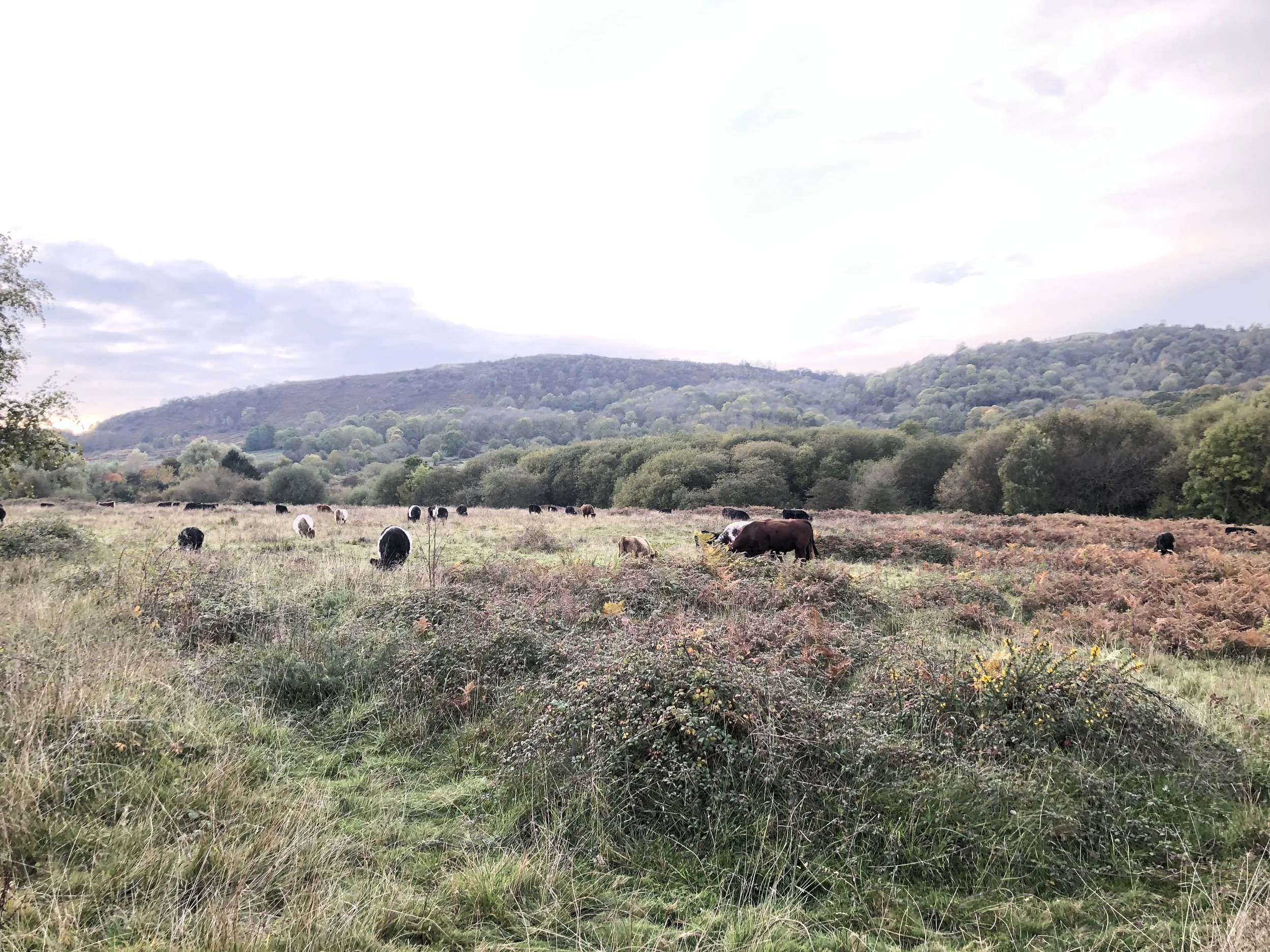
Cattle Grazing in the Malvern Hills